Showing posts with label Nature. Show all posts

Monday, April 07, 2025

Celebrating Spring, while your neighbors celebrate Easter

Family-Friendly Traditions Beyond the Bunny

Spring is a time of renewal, transformation, and celebration. For many families, especially in the U.S. and Europe, that celebration takes the form of Easter—brimming with pastel eggs, chocolate bunnies, and church services. But what if Easter isn’t part of your family’s tradition? What if you’re part of a multi-faith household, secular family, Pagan, or simply want to avoid religious holidays while still embracing the energy of the season?

Whether you’re reclaiming older traditions, creating new ones, or just trying to navigate all the marketing hype with kids who really want to dye eggs, there are beautiful, meaningful ways to honor spring that don’t require celebrating Easter.

Spring Traditions Beyond Easter

Many of the symbols associated with Easter—eggs, rabbits, chicks, sweets—aren’t Christian in origin. They reflect deeper, older human connections to the changing seasons. Here are a few examples from diverse traditions that still thrive today:

Celtic Traditions

Lighting Beltane fires (May 1) to bless livestock as they moved to summer pastures; honoring wells and springs as sacred.

Option: Light a small fire or candle to bless new beginnings. Visit a local water source and offer gratitude for renewal—maybe by floating petals, singing a song, or simply being present.

Slavic Traditions

Drowning or burning the effigy of Marzanna (spirit of winter) to welcome spring; decorating pysanky—intricate eggs with symbols of protection and fertility.

Option: Write down what you’re releasing from winter and burn or compost it. Decorate eggs using natural dyes or personal symbols—turn it into a meditative, family craft project.

Norse & Germanic Traditions

Spring blóts—communal feasts honoring ancestors, spirits, and deities with offerings of food and drink.

Option: Hold a spring meal and set aside a portion for ancestors or the earth. A small outdoor offering or moment of silence can be powerful.

East Asian Traditions

Qingming Festival in China honors ancestors and reconnects people with nature; hanami in Japan celebrates the brief blooming of cherry blossoms.

Option: Tend to an ancestor’s memory with stories, art, or photos. Practice mindful noticing—of blossoms, breezes, or birdsong. Let children help name and track the changes.

Indigenous (Place-Based) Traditions

Many Indigenous communities honor spring through ceremonies tied to local cycles: first thunder, maple sap runs, returning birds.

Option: Learn what natural cycles shape your region. Is it frog song, crocus blooms, or pollinator activity? You don’t need to borrow Indigenous ceremonies—just pay attention, express gratitude, and listen deeply to the land.

Ways to Celebrate Spring Without Easter

These activities are inclusive, non-religious (or adaptable), and suitable for families:

1. Egg Decorating Without Resurrection

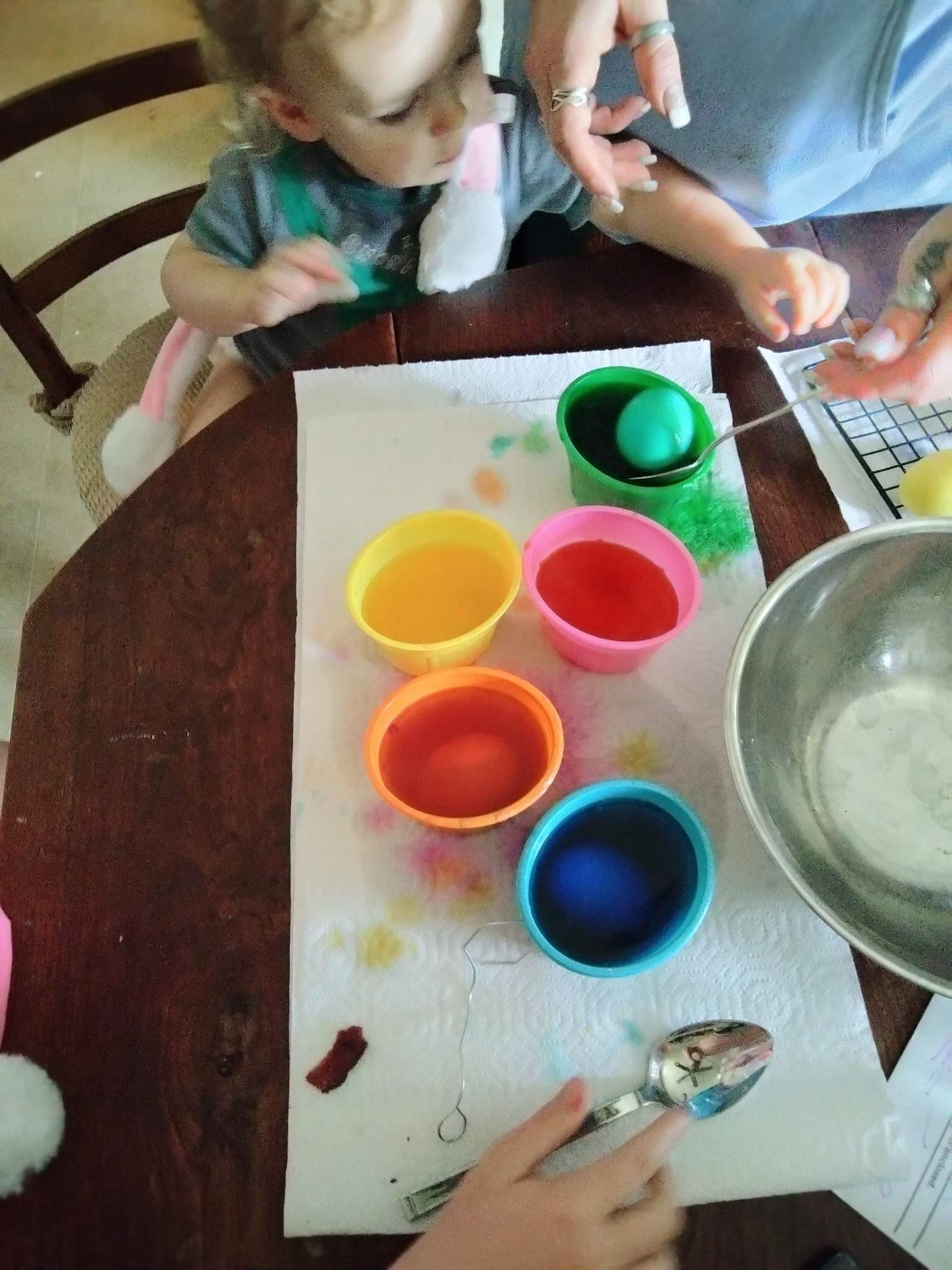
Explore egg symbolism across cultures—fertility, life, protection—and let kids design their own meaningful symbols or just play with color. Try natural dyes (onion skins, red cabbage, turmeric) and talk about where those plants come from.

2. Seasonal Storytime

Read or invent spring-themed stories from many cultures. Feature animals waking from hibernation, plants stretching toward the sun, or kids learning from the land. Let the stories spark play, art, or imaginative outdoor time.

3. Bless Your Garden or Balcony

You don’t need a farm—blessing a single pot of herbs or planting native flowers for pollinators counts. Say a few words, sprinkle water, or sing a song together.

4. Spring Altar or Nature Table

Let kids collect signs of spring—flowers, feathers, stones, colors—and create a seasonal display. Add candles, symbols of what your family hopes to grow, or photos of loved ones.

5. Release & Renew Ritual

Write down old habits, worries, or winter energies you’re ready to release. Burn, bury, shred, or toss them into moving water (responsibly). Welcome new intentions for the season ahead.

6. Share a Spring Feast

Make or buy seasonal foods and share them with friends, neighbors, or your community. You could even prepare a plate just for the land, the ancestors, or whatever sacredness your family honors.

Photo by Meaghan Campbell

Spring Belongs to Everyone

You don’t need to celebrate Easter to enjoy the season’s joy and abundance. Spring invites us all into wonder, growth, and connection—with each other, with the land, and with the cycles of life.

Whether through ancestral customs, creative reinvention, or simple observation of what blooms near your home, you can create rituals that reflect your values and roots.

How do you celebrate spring in ways that feel true to you? Share your stories—we’d love to learn from each other.

Saturday, February 15, 2025

Communal Outdoor Practice for Spiritual Resilience

Spiritual Resilience Ritual

When oppression weighs on the body, mind, and spirit, we need practices that root us in our dignity, strengthen our resolve, and connect us to something greater than fear. The following spiritual practice is designed for those navigating injustice – whether you are directly targeted, supporting others, or working for change. This is a way to stay resourced, ethical, and present, even in times of struggle.

Engaging in communal outdoor activities fosters connection, resilience, and spiritual renewal. This inclusive practice is designed to accommodate individuals of diverse abilities and backgrounds, emphasizing movement, shared experiences, and the restorative power of nature. Participants can adapt the practice to their local environments and personal needs.

Group of people walking at sunset on waterfront CC0

Preparation

1. Assemble Your Community: Invite friends, family, or members of your support network to join. Ensure the group is aware of the planned activities and the importance of dressing appropriately for the weather.

2. Choose an Accessible Location: Select a natural setting that is accessible to all participants, such as a park with paved paths, a beach with boardwalk access, or a nature reserve with wheelchair-friendly trails. Consider the terrain and ensure it accommodates various mobility needs.

3. Plan Inclusive Activities: Decide on activities that involve gentle movement and encourage interaction, such as a nature walk, seated yoga, or mindful observation exercises. Ensure the activities are adaptable to different abilities and energy levels.

The Practice

The following structure is a guideline; feel free to adjust the timing to suit your group’s preferences and needs.

1. Opening Circle (15 minutes)

  • Gather Together: Form a circle in a comfortable area. Acknowledge each participant’s presence, fostering a sense of belonging.
  • Set Intentions: Invite each person to share a word or phrase representing their intention for the practice (e.g., connection, healing, strength).

2. Mindful Movement and Sharing (45 minutes)

  • Begin the Activity: Start your chosen outdoor activity, maintaining a pace comfortable for all participants.
  • Sensory Engagement: Encourage the group to engage their senses – notice the sounds, scents, and sights of the environment.
  • Shared Reflections: During the activity, invite participants to share:
    • One Fear: Acknowledge a current fear or challenge.
    • One Source of Strength: Identify something that provides resilience or support.
    • One Commitment: State a personal commitment to action or growth.

This sharing fosters vulnerability and mutual support, strengthening communal bonds.

3. Rest and Reflect (20 minutes)

  • Find a Comfortable Spot: Pause in a tranquil area. Ensure seating is available for those who need it.
  • Group Reflection: Invite participants to discuss any insights or feelings that emerged during the activity.
  • Collective Breathing: Engage in synchronized deep breathing, inhaling the fresh air and exhaling together, symbolizing unity and shared purpose.

4. Closing Ritual (10 minutes)

  • Express Gratitude: Each person shares something they are grateful for from the experience.
  • Affirmation: As a group, affirm your collective resilience and commitment to supporting one another.
  • Closing Gesture: Consider a unifying gesture, such as a group cheer, a collective bow, or a moment of shared silence, honoring the strength and solidarity of the community.

Consent

To ensure a respectful and inclusive environment, integrate consent culture practices throughout the session:

  • Physical Contact: Always seek explicit consent before initiating any physical contact. For example, before a closing gesture like a group hug, ask, “Would everyone be comfortable with a group hug?” and respect individual preferences.
  • Sharing Personal Experiences: Encourage participants to share only what they feel comfortable disclosing. Emphasize that passing or opting out of sharing is perfectly acceptable.
  • Activity Participation: Clearly explain each activity beforehand and allow participants to opt out or suggest alternatives if they are uncomfortable.

By prioritizing consent, the group fosters a culture of respect and safety, ensuring that all participants feel valued and heard.

Post-Practice Integration

  • Refreshments: After the activity, share a meal or snacks, accommodating dietary preferences and restrictions.
  • Continued Support: Encourage participants to stay connected through group chats or regular meet-ups, providing ongoing support and community.
  • Plan Future Gatherings: Discuss making this a regular practice, adapting activities to seasonal changes and group interests.

Engaging in this inclusive communal outdoor practice not only strengthens individual resilience but also fortifies the bonds within your community, providing collective support and spiritual nourishment amidst life’s challenges.

You  are whole, holy, and worthy,
Rev. Amy

Looking for support in creating rituals that foster community and resilience? Reach out to Rev Amy at http://AmyBeltaine.info
See similar rituals for Lament and personal resilience.


A Spiritual Practice for Resilience and Resistance

A Spiritual Practice for Resilience and Resistance

When oppression weighs on the body, mind, and spirit, we need practices that root us in our dignity, strengthen our resolve, and connect us to something greater than fear. The following spiritual practice is designed for those navigating injustice – whether you are directly targeted, supporting others, or working for change. This is a way to stay resourced, ethical, and present, even in times of struggle.

Preparing the Space

Find a quiet place where you feel safe. If that’s not possible, even a small symbolic gesture – a hand over your heart, a deep breath – can create the inner space you need. If you like, gather objects that remind you of strength: a stone, an image of an ancestor, a piece of cloth, or anything that carries meaning for you.

Grounding in the Body

Begin with noticing three deep breaths. Alternatively, place a hand on your heart or pulse point and notice your heartbeat. Gently attend to the wholeness of your body. Feel the weight of your feet pressing against the floor, this is the earth calling you home. Witness the presence of your own being. If it helps, hum softly or place a hand over bare skin or belly.

Say (aloud or silently):

I am here. I am real. I am worthy of love and dignity.

If you feel anxiety rising, imagine your blood, skin, and breath as a thread connecting you to all those who have walked this path before: ancestors, friends, strangers who share your struggle. You are not alone.

Naming Truth

Oppression thrives on silence and lies, convincing us that what we see and feel isn’t real. This part of the practice is about affirming what you know to be true.

Ask yourself:

  • What injustice weighs on my heart today?
  • What fear or anger is present in my body?
  • What truth do I need to say, even if only to myself?

Speak or write:

“I name this truth: __________. It matters. My feelings are real.”

If it helps, repeat a grounding phrase:

“One word of truth can outweigh the world.” (Aleksandr Solzhenitsyn)

Remembering Connection

Oppression isolates. Resistance, healing, and survival happen in community. Even when we feel alone, we are part of something larger.

Close your eyes (if comfortable) and call to mind:

  • A person, past or present, who gives you strength.
  • A community, near or far, who shares your struggle.
  • A greater presence: love, justice, the sacred, the ancestors.

Imagine their presence around you. If you wish, say:

I am part of something greater than fear. I am held in love and memory.

Releasing and Strengthening

Take a moment to release what does not serve you: fear, shame, exhaustion. Imagine setting it down beside you. It is not gone, you are not going to pretend it is not real, but you do not have to carry it alone.

Now, ask yourself:

  • What is one small action I can take today to honor my dignity?
  • What practice – prayer, movement, laughter, rest – can restore me?

Commit to one thing. It does not have to be big. Even a sip of water with intention can be an act of defiance against despair.

Closing

End with a phrase, prayer, or gesture that affirms your worth. You might say:

I am whole, holy, and worthy.

I belong to a lineage of resilience.

I am still here. And that is enough.


Move your awareness back to your heartbeat or breath. When you are ready, move forward into your day, knowing that resistance is not just in grand actions, but in each moment we choose dignity over despair.

Use this practice as often as you need. Share it with those who need it. Together, we continue.

Blessings of resilience,

Rev. Amy

Looking for support in creating rituals that foster community and resilience? Reach out to Rev Amy at http://AmyBeltaine.info
See similar rituals for Lament and communal resilience.

Sunday, February 09, 2025

Finding Meaning in a Troubled World

Finding Meaning in a Troubled World

The world today feels increasingly fraught with challenges: the rise of fascism, the marginalization of vulnerable groups, the erosion of democratic rights, and the escalating climate crisis. These realities can leave us feeling overwhelmed, anxious, and even hopeless. But amidst the fear and uncertainty, there are ways to find meaning and cultivate resilience.

One such path is through the power of spiritual direction.

Spiritual direction is a journey of deep listening and accompaniment that helps individuals explore their inner lives, deepen their connection to something sacred (whether that be God, nature, community, or a deeper sense of self), and find meaning and purpose in their lives.

In times of societal upheaval, spiritual direction can offer:

  • A space for reflection and processing: It provides a safe and supportive environment to grapple with the complexities of the world, to acknowledge our fears and anxieties, and to find ways to integrate these experiences into our lives.
  • A renewed sense of purpose: By connecting with our deepest values and exploring our callings, we can find ways to contribute to a more just and equitable world.
  • A deeper sense of connection: Spiritual direction can help us cultivate meaningful relationships with ourselves, others, and the world around us, fostering a sense of community and shared responsibility.
Spiritual direction work helps you find your compass and your courage. Now is a great time to refine your ethical convictions and to uncover what is most important to you. What are you willing and able to commit to? How can you love into your most authentic and best self?

How to Get Started:

If you're interested in exploring spiritual direction, I encourage you to check out the resources listed below. I've also included a link to free weekly meditations that I offer.

Artist Misha Tyutyunik, also known as MDot, created the design. Two River, NJ community members painters. Matthew Brys, Photography

Beyond Spiritual Direction:

Spiritual direction is just one way to find meaning and make a difference. Other ways include:

  • Activism: Engaging in various forms of activism to make a meaningful impact on society. You don’t need to do all the things, just do the work that is yours. This can include:
    • Civic Involvement: Participating in activities like voting, running for office, volunteering for campaigns, or joining local committees to influence policy and governance.
    • Protests and Making a Statement: Joining peaceful protests, marches, and demonstrations to advocate for causes related to justice, equality, or environmental protection, raising your voice in solidarity.
    • Organizing and Supporting Groups: Working with or supporting grassroots organizations, unions, and movements that focus on systemic change, especially those led by marginalized groups with experience in activism and social change. These groups often have a strong track record of creating positive impact.
    • Don’t Comply: take a page from the CIA handbook on fighting authoritarian governments by practicing “I don’t think so”, “I can’t help” , and the slow walk. Being incompetent at doing immoral or unlawful things is a virtue.

  • Community BuildingFostering connections with others in your community, finding your spiritual community, and collaborating through mutual aid to create networks of care and uplift. We need everyone to survive. The ann ient teaching is to “love thy neighbor,” so, ask yourself who is my neighbor?
  • Service and Caring for Others: Contributing your time and resources to support others, whether through direct service (e.g., caring for the homeless, mentoring, providing food or shelter) or through advocacy for vulnerable communities. Offer help to those you can help, and ask for help from those who can help you.
  • Create Art and JoyExpress yourself creatively through art, music, dance, or any form of self-expression that brings you joy and contributes to collective well-being.  By creating beauty and celebrating life’s moments, you nurture yourself and others, reinforcing the power of creativity in both personal and collective transformation. As Emma Goldman said, “If I can’t dance I don’t want to be part of your revolution.”
  • Self-CarePrioritizing your own well-being through practices such as mindfulness, meditation, and spending time in nature to recharge and sustain your efforts for long-term change. Ask for help. This is a relay race, not a marathon, and certainly not a sprint.

Remember, you are not alone in this. Many people are deeply concerned about the challenges facing our world and are actively seeking ways to create positive change. By connecting with others, cultivating inner resilience, and taking action, we can work together to build a more just, equitable, and sustainable future.

You are whole, holy, and worthy... We need each one of us to survive,

Rev Amy Beltaine

———-

To find a Spiritual Companion, visit http://AmyBeltaine.info or https://shorturl.at/pr0ue or http://UUSDN.org 

Sign up to receive weekly reflections or meditations here.

Thursday, January 30, 2025

Spiritual Care in Wicca and Neo-Paganism: What Exists, What’s Missing, and What’s Possible

Spiritual Care in Wicca and Neo-Paganism: What Exists, What’s Missing, and What’s Possible

In many religious traditions, spiritual direction provides seekers with a critical form of spiritual care. Spiritual direction work provides guidance, companionship, and deep listening as folks navigate their spiritual path. But what does that look like in Wicca and neo-paganism? While Wicca and broader Pagan traditions do not have a formalized role exactly equivalent to spiritual direction, they do have established ways of providing spiritual support. However, there are also notable gaps - areas where seekers may struggle to find the kind of deep care and discernment that spiritual direction offers.

I'd like to offer my initial thoughts on the roles that serve a similar function, how major Wiccan traditions have met (or not met) the need for spiritual care, and what might be added to deepen and expand that support. I hope this serves as an invitation to deeper and larger conversation.

Existing Roles That Parallel Spiritual Direction

While Wicca and neo-paganism tend to emphasize personal spiritual autonomy, several roles within these traditions offer guidance, teaching, and support similar to spiritual direction:


May Day Dawn Celebration on Glastonbury Tor, Getty Images

1. High Priestesses, High Priests, and Teachers

In initiatory Wiccan traditions (such as Gardnerian and Alexandrian Wicca), High Priests and High Priestesses lead covens, initiate students, and provide spiritual mentorship. They guide seekers through training, facilitate rituals, and support members in their spiritual development.

Similarities to Spiritual Direction:

  • They offer one-on-one mentorship to initiates.
  • They guide seekers through major spiritual transitions.
  • They provide a space for discernment and spiritual growth.

What’s Different?

  • Their role is often hierarchical, requiring initiatory lineage, whereas spiritual direction is typically non-hierarchical.
  • Their focus is usually on conveying a specific tradition, rather than open-ended spiritual exploration. This usually amounts to training and formation: defining one's spiritual beliefs, practices, and community, versus an expansive invitation to seeker-focused exploration over time that is provided through spiritual direction work.
  • They primarily serve and are accountable to, their coven or lineage as a whole, rather than individual seekers.


2. Pagan Clergy and Ministers

Many pagans have sought ordination through organizations like the Covenant of the Goddess (CoG), Sacred Well Congregation, or pursued ministry degrees through Earth-based seminary programs like Cherry Hill Seminary. Pagan clergy often officiate rituals, provide pastoral care, and offer spiritual counseling.

Similarities to Spiritual Direction:

  • They provide spiritual care beyond just their own coven or tradition.
  • They may offer guidance in times of crisis, transition, or deep questioning.
  • Some receive formal training in counseling, chaplaincy, or pastoral care.

What’s Different?

  • Their role often includes officiating rites and public rituals, whereas spiritual direction is more about deep listening.
  • Many Pagan ministers focus on community leadership rather than sustained one-on-one accompaniment.


3. Elders and Wise Women/Men/Persons

In non-hierarchical or eclectic Pagan circles, elders - respected figures with years of experience - serve as informal spiritual guides. These individuals may be approached for wisdom, storytelling, or advice, much like a crone, sage, or village witch in older traditions.

Similarities to Spiritual Direction:

  • Their role is based on deep wisdom and personal experience rather than institutional authority.
  • They often listen deeply and help seekers make sense of their spiritual experiences.
  • Their guidance is based on relationship and trust rather than structured training.

What’s Different?

  • There is no formalized process for becoming an elder; it is based on community recognition.
  • Their role is often advisory rather than an ongoing spiritual companionship.
  • There is no system of ethical accountability, leading to reported instances of abuses of power and position.


4. Pagan Counselors and Coaches

Some Pagans seek spiritual guidance from counselors or life coaches who integrate Pagan spirituality into their practice. These professionals might not identify as “spiritual directors,” but they offer similar forms of accompaniment.

Similarities to Spiritual Direction:

  • They provide structured one-on-one spiritual support.
  • They help seekers work through spiritual struggles and life transitions.
  • They may integrate ritual, meditation, or divination into their sessions.

What’s Different?

  • Coaching tends to be more goal-oriented, while spiritual direction is about open-ended exploration.
  • Therapy or counseling may focus on mental health and problems, whereas spiritual direction assumes the seeker is whole and holy, and centers on the seeker’s relationship with the sacred.

Aura by John Hain, Pixabay

How Have Wiccans Met Their Needs for Spiritual Care?

Different Wiccan traditions have developed various ways to support seekers’ spiritual growth.

  • Initiatory Traditions (Gardnerian, Alexandrian, etc.) rely on coven-based mentorship. A High Priestess or Priest trains initiates and provides guidance, but this support is typically reserved for those within the tradition.
  • Eclectic Wiccans often turn to books, online communities, and personal practice for guidance, with less structured spiritual mentorship.
  • Reconstructionist and Polytheist Groups emphasize learning from ancient sources, community rituals, and sometimes priestly training, but may lack personal spiritual guidance outside of structured priesthood roles.
  • Solitary Wiccans and Pagans often struggle to find spiritual support outside of personal meditation, divination, and informal online groups.

Each of these approaches meets some needs, but often leaves gaps - especially when it comes to deep, long-term spiritual companionship that is not tied to hierarchy, initiation, or counseling.

What’s Missing?

1. Non-Hierarchical Spiritual Guidance - Many seekers want one-on-one accompaniment without the coven structure or an initiatory hierarchy.

2. Support for Solitary Practitioners - Solitary witches and pagans often lack mentorship and may struggle with spiritual discernment alone.

3. Deep Listening and Discernment - Unlike coaching or teaching, spiritual direction focuses on listening for the seeker’s own wisdom and relationship with the Divine rather than providing answers.

4. A Safe Space for Doubt and Exploration - Many existing roles focus on teaching a tradition, whereas spiritual direction allows for questioning and wrestling with beliefs.

5. Emotional and Spiritual Integration - Pagan spiritual leadership often focuses on ritual facilitation, leaving little room for deeper conversations about personal spiritual struggles and milestone moments.

6. Accountability and Professional Ethics - Many Pagan spiritual traditions have little or no oversight or accountability to enforce consent, and mitigate against abuse. 

What Could Be Added?

1. Training Pagan Spiritual Directors

  • Programs could emerge within pagan seminaries or independent pagan organizations to train spiritual companions who understand pagan worldviews. We're in luck! Cherry Hill Seminary is entering its 4th year offering such training!
  • These companions could offer one-on-one guidance to seekers regardless of tradition, providing a safe, non-judgmental space to explore spirituality.

2. Creating Pagan Spiritual Direction Networks

  • A directory of pagan spiritual directors could help seekers find mentors outside of traditional priesthoods or covens.

3. Bringing Deep Listening into Pagan Leadership

  • High Priestesses, elders, and clergy could incorporate spiritual direction principles into their mentorship - emphasizing deep listening rather than just teaching.

4. Recognizing Spiritual Direction as a Sacred Pagan Role

  • Just as we have ritualists, diviners, healers, and clergy, we could formally recognize spiritual companions - people trained to travel alongside others in their journey without imposing a path or tradition.
5. Professional Accountability
  • Raising ethical expectations for those who mentor can help protect seekers, members, and initiates. 
  • Asking practitioners of spiritual direction to be members of professional organizations with ethical guidelines and membership criteria is one time-tested way to give seekers recourse and protection.
  • This, and other approaches can be healthy for all helping roles in Paganism and Wicca.

The Need for Deep Spiritual Companionship

Wicca and neo-paganism already contain many roles that provide elements of spiritual guidance, but few fully embrace the deep, ongoing companionship that spiritual direction offers in other traditions. As these paths continue to evolve, there is space for the role of the spiritual companion - one who listens, reflects, and holds sacred space for others to explore their own relationship with the Divine/Holy/Sacred/Deities.

For those called to this work, the invitation is open: to be a witness to the sacred journeys of others, to cultivate deep listening, and to create spaces where seekers can explore their spirituality in trust, reverence, and care.

Would you seek out a pagan spiritual companion? Would you be called to offer that role? The path is open. Let's explore it together.

You are whole, holy, and worthy... We need each one of us to survive,

Rev Amy Beltaine

———-

To find a Spiritual Companion, visit http://AmyBeltaine.info or https://shorturl.at/pr0ue or http://UUSDN.org 

To apply for training as a spiritual companion, visit our Spiritual Direction Certificate Program page.