Showing posts with label multi-faith. Show all posts

Saturday, May 31, 2025

Hinduism: Jewels in Spiritual Tending

Hinduism for Spiritual Companions: A Context of Depth and Diversity

[Excerpt from Heart of Sacred Tending book 3]

If you’re accompanying someone with Hindu roots—whether they identify with the tradition or not—it’s important to bring reverence, humility, and a wide-angle lens. Hinduism is not a single tradition but a sacred web of philosophies, practices, stories, and lineages. It holds space for scholars and mystics, householders and renunciants, ancestral rituals and modern social movements. Many practitioners and some scholars describe it not as a “religion” but as Sanātana Dharma, the eternal or universal way. From the sanskrit: sanātana (eternal) + dharma (sacred order/responsibility)
Some scholars describe Hinduism as a complex, living synthesis—an integration of countless local and indigenous traditions over millennia. In this way, Hinduism can be seen not as a top-down doctrine, but as a flowing, dynamic, pluralistic ecosystem of the sacred.

Hinduism as a Sacred Web

Imagine Indra’s Net: a vast, infinite web of jewels, each reflecting every other. This image, central to some Hindu and Buddhist cosmologies, mirrors the lived reality of Hinduism itself. There is no single founder, no unified scripture, no universally required practice. Each lineage, each region, each family brings its own jewel to the net—shining and shaped by local history and devotion.

Many Indian villages have their own god or goddess. Local deities are often interwoven with regional epics like the Ramayana or Mahabharata, and with pan-Indian deities like Vishnu, Shiva, or Devi. Some homes keep altars for Ganesha, Lakshmi, or a specific guru. Family traditions may center around a particular temple or saint. Hinduism flows like a river through these plural sources.

[See also this overview from the Hindu American Foundation: https://www.hinduamerican.org/hinduism-basics]

Core Ideas Without Dogma

Hinduism Is...
  • Not a single tradition, but a sacred ecosystem
  • Rooted in India and shaped by diaspora
  • Deeply philosophical and vibrantly devotional
  • Interwoven with caste, colonial, and liberation histories
  • Misunderstood when reduced to yoga, vegetarianism, or mysticism

Though interpretations vary widely, certain ideas are widely shared:

  • Dharma – living in alignment with sacred order, ethics, and responsibility
  • Karma – the law of cause and effect, especially in moral and spiritual terms
  • Samsara – the cycle of birth, death, and rebirth
  • Moksha – liberation from that cycle
  • Atman and Brahman – the soul/self and ultimate reality, understood in different ways by different schools
Some Hindu philosophies affirm a personal god or goddess (like Krishna or Kali), while others describe a nondual Absolute beyond attributes. Both perspectives can coexist peacefully in Hindu practice.

Ritual, Rhythm, and the Everyday Sacred

For many families, Hinduism is woven into daily life: lighting a lamp at the family altar, making offerings of flowers or food, fasting on specific days, telling stories from the epics, or celebrating colorful festivals like Diwali or Navaratri. Songs, incense, hospitality, and sacred food (prasad) create a textured spiritual atmosphere in many homes.

Even seekers who do not practice formally may carry deep spiritual or cultural resonance with these patterns. Cultural Hinduness is not always religious, especially in diaspora. Be mindful not to assume what “being Hindu” means for someone—it may be a matter of ancestry, philosophy, or simply childhood memory.

[Watch: Dasara Festival in Mysore (documentary) – https://youtu.be/Hfl8qtv8L8M]

Naming Harm, Honoring Legacy

It’s important to recognize the colonial distortions, caste hierarchies, and Western reinterpretations that have shaped how Hinduism is understood and portrayed. The British colonial system codified caste more rigidly and redefined Hinduism in ways that often erased its pluralism and indigenous roots.

Contemporary Indian and diasporic thinkers are reclaiming this complexity. As spiritual companions, we can support this reclamation by refusing to flatten Hinduism into a “mystical East” stereotype or a yoga studio aesthetic.

To explore these issues further, the podcast Yoga Is Dead offers crucial insights into how South Asian voices are reclaiming spiritual traditions that have been misrepresented or appropriated.

[Listen here: https://www.yogaisdeadpodcast.com/episodes]

Modern thinkers are also developing liberation theologies within Hinduism. One thinker is Shailly Gupta Barnes.

Read more here: https://kairoscenter.org/hindu-theology-of-liberation/ ]

Accompanying Seekers with Hindu Roots

Some seekers with Hindu heritage may long for spiritual companionship but feel unsure about working with a Hindu director. They may carry wounds from casteism, patriarchy, religious nationalism, or colonization. Others may be exploring multiple traditions or have had painful experiences with rigid or performative religiosity. As companions, we can offer nonjudgmental space for their stories to unfold—without pressuring them to reclaim or reject their tradition. Ask: What practices or images still nourish you? What would feel supportive right now? Holding space with gentleness and humility is often more healing than offering expertise.

Gifts for All Seekers, Held with Care

Hinduism offers a vast storehouse of spiritual gifts—devotional practices (bhakti), contemplative inquiry (jnana), embodied action (karma yoga), and sacred rhythm (ritual and story). Many of these resonate with spiritual companions across traditions. Yet care is needed: using mantras, mudras, or deities without context can do harm. Instead, we might learn from Hindu ways of integrating the sacred into daily life, or from the image of spiritual paths as many rivers flowing to one sea. Drawing wisdom with respect, not extraction, helps keep these gifts alive and rooted.

Try It

  • Watch five minutes of a recorded puja (ritual worship) with the intention not to adopt, but to witness with reverence.
  • Reflect: Where in your own life do you honor the sacred through ordinary, sensory rituals—through light, food, fragrance, or song?
  • Journal Prompt: What assumptions or inherited ideas do I carry about Hinduism? Where did they come from?
Beloved, You are whole, holy, and worthy,
Rev. Amy

Monday, April 07, 2025

Celebrating Spring, while your neighbors celebrate Easter

Family-Friendly Traditions Beyond the Bunny

Spring is a time of renewal, transformation, and celebration. For many families, especially in the U.S. and Europe, that celebration takes the form of Easter—brimming with pastel eggs, chocolate bunnies, and church services. But what if Easter isn’t part of your family’s tradition? What if you’re part of a multi-faith household, secular family, Pagan, or simply want to avoid religious holidays while still embracing the energy of the season?

Whether you’re reclaiming older traditions, creating new ones, or just trying to navigate all the marketing hype with kids who really want to dye eggs, there are beautiful, meaningful ways to honor spring that don’t require celebrating Easter.

Spring Traditions Beyond Easter

Many of the symbols associated with Easter—eggs, rabbits, chicks, sweets—aren’t Christian in origin. They reflect deeper, older human connections to the changing seasons. Here are a few examples from diverse traditions that still thrive today:

Celtic Traditions

Lighting Beltane fires (May 1) to bless livestock as they moved to summer pastures; honoring wells and springs as sacred.

Option: Light a small fire or candle to bless new beginnings. Visit a local water source and offer gratitude for renewal—maybe by floating petals, singing a song, or simply being present.

Slavic Traditions

Drowning or burning the effigy of Marzanna (spirit of winter) to welcome spring; decorating pysanky—intricate eggs with symbols of protection and fertility.

Option: Write down what you’re releasing from winter and burn or compost it. Decorate eggs using natural dyes or personal symbols—turn it into a meditative, family craft project.

Norse & Germanic Traditions

Spring blóts—communal feasts honoring ancestors, spirits, and deities with offerings of food and drink.

Option: Hold a spring meal and set aside a portion for ancestors or the earth. A small outdoor offering or moment of silence can be powerful.

East Asian Traditions

Qingming Festival in China honors ancestors and reconnects people with nature; hanami in Japan celebrates the brief blooming of cherry blossoms.

Option: Tend to an ancestor’s memory with stories, art, or photos. Practice mindful noticing—of blossoms, breezes, or birdsong. Let children help name and track the changes.

Indigenous (Place-Based) Traditions

Many Indigenous communities honor spring through ceremonies tied to local cycles: first thunder, maple sap runs, returning birds.

Option: Learn what natural cycles shape your region. Is it frog song, crocus blooms, or pollinator activity? You don’t need to borrow Indigenous ceremonies—just pay attention, express gratitude, and listen deeply to the land.

Ways to Celebrate Spring Without Easter

These activities are inclusive, non-religious (or adaptable), and suitable for families:

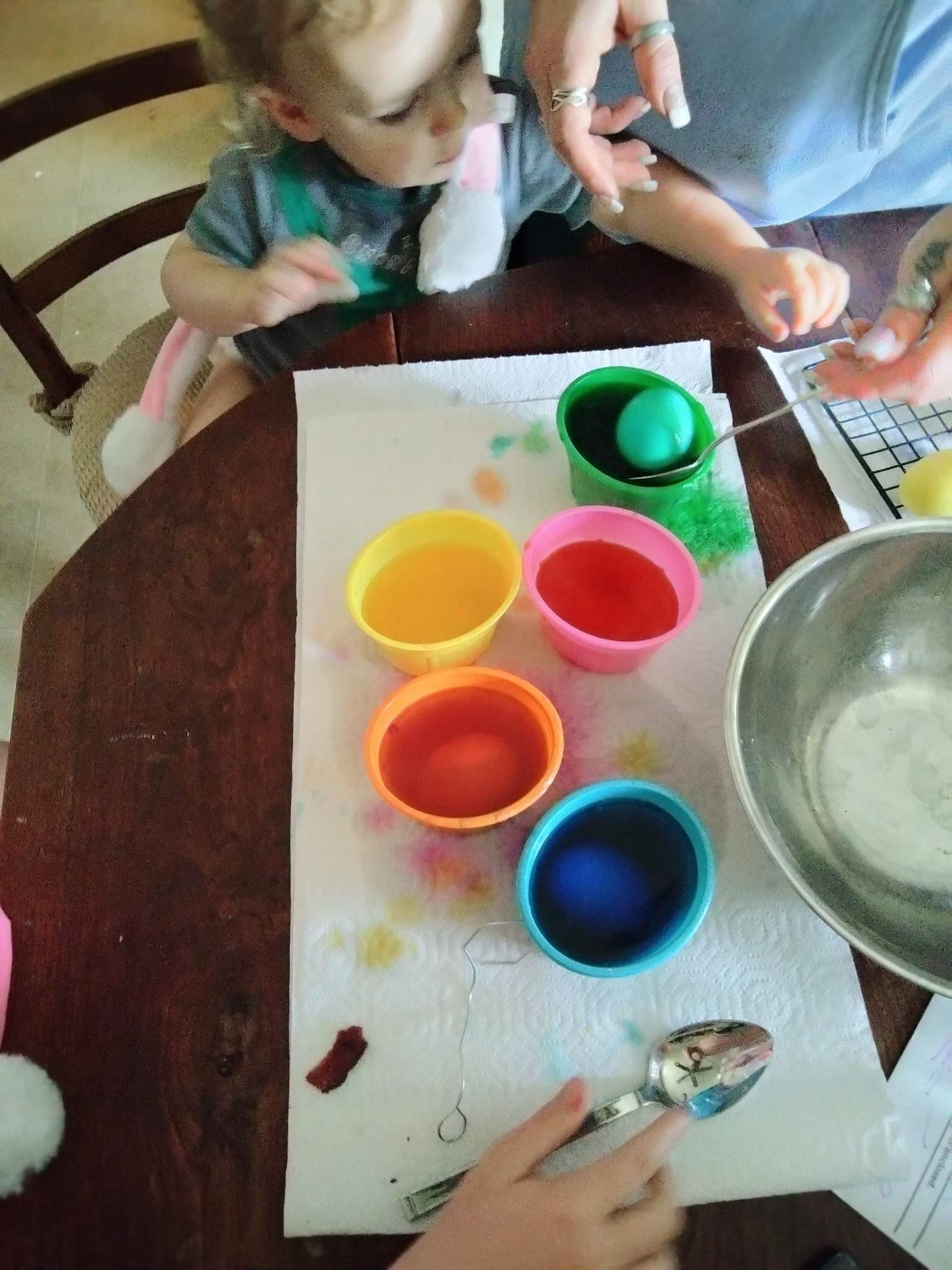
1. Egg Decorating Without Resurrection

Explore egg symbolism across cultures—fertility, life, protection—and let kids design their own meaningful symbols or just play with color. Try natural dyes (onion skins, red cabbage, turmeric) and talk about where those plants come from.

2. Seasonal Storytime

Read or invent spring-themed stories from many cultures. Feature animals waking from hibernation, plants stretching toward the sun, or kids learning from the land. Let the stories spark play, art, or imaginative outdoor time.

3. Bless Your Garden or Balcony

You don’t need a farm—blessing a single pot of herbs or planting native flowers for pollinators counts. Say a few words, sprinkle water, or sing a song together.

4. Spring Altar or Nature Table

Let kids collect signs of spring—flowers, feathers, stones, colors—and create a seasonal display. Add candles, symbols of what your family hopes to grow, or photos of loved ones.

5. Release & Renew Ritual

Write down old habits, worries, or winter energies you’re ready to release. Burn, bury, shred, or toss them into moving water (responsibly). Welcome new intentions for the season ahead.

6. Share a Spring Feast

Make or buy seasonal foods and share them with friends, neighbors, or your community. You could even prepare a plate just for the land, the ancestors, or whatever sacredness your family honors.

Photo by Meaghan Campbell

Spring Belongs to Everyone

You don’t need to celebrate Easter to enjoy the season’s joy and abundance. Spring invites us all into wonder, growth, and connection—with each other, with the land, and with the cycles of life.

Whether through ancestral customs, creative reinvention, or simple observation of what blooms near your home, you can create rituals that reflect your values and roots.

How do you celebrate spring in ways that feel true to you? Share your stories—we’d love to learn from each other.

Friday, March 14, 2025

Ethical Spiritual Tending: A Foundation of Trust and Integrity

Ethical Spiritual Companioning

In spiritual companionship, ethics are not optional—they are the foundation of trust. Seekers come with their deepest longings, their grief, and their moments of transformation. Holding this trust with integrity requires more than good intentions—it requires a commitment to ethical practice.Spiritual companionship is sacred work. 

As a seeker, ask your spiritual companion about their ethical framework. While spiritual direction is not a regulated profession, many seekers assume a level of ethical oversight. Without clear ethical guidelines, there is a risk of inconsistency—or even harm.

Ethical frameworks exist to guide us. Organizations like Spiritual Directors International (SDI), the Association for Clinical Pastoral Education (ACPE), the British Association for Spiritual Care and Pastoral Supervision, and the Australian Ecumenical Council for Spiritual Direction provide ethical guidelines for best practices in spiritual companionship. These frameworks offer a foundation for confidentiality, boundaries, and care—grounding our work in accountability and wisdom.

Yongmasan trail markers, photo by Kellnerp, CC3.0

Why Ethical Standards Matter in Spiritual Companionship

Without a shared ethical foundation, spiritual direction risks becoming inconsistent, unclear, or even harmful. Ethical standards help us:

  • Maintain clear boundaries that protect both seeker and companion.
  • Ensure confidentiality while understanding its limits (e.g., harm to self or others).
  • Practice informed consent in all aspects of the relationship.
  • Navigate power dynamics inherent in spiritual direction.
  • Commit to ongoing formation to refine our skills and self-awareness.

Even if you are not formally affiliated with an organization, you need an ethical framework to guide your practice. This is especially true in a world where seekers may not be familiar with spiritual companionship and need clarity about what to expect.

Looking to Your Own Spiritual Tradition for Guidance

While professional organizations provide ethical frameworks, spiritual companions may also find guidance in their own traditions. Many religious and spiritual paths have long-standing principles of ethical behavior, integrity, and care in relationships:

  • Unitarian Universalists (UUs) hold values of justice, equity, and compassion, and UU ministers follow a specific code of ethics.
  • Norse traditions emphasize virtues such as honor, hospitality, and right action.
  • Christian traditions may look to pastoral care ethics, scriptural principles, or denominational guidelines.
  • Jewish ethics are grounded in mitzvot (commandments) and principles like chesed (loving-kindness) and tikkun olam (repairing the world).
  • Sikh traditions emphasize seva (selfless service), humility, and truthful living.
  • Many other traditions offer guiding principles on relationship, consent, and integrity.

Each companion will need to look to their own path or tradition for ethical resources. Engaging in this reflection strengthens our ability to accompany others with clarity and moral grounding.

If your tradition does not explicitly address spiritual companionship, consider looking at its teachings on hospitality, moral integrity, and care in relationships. You may also seek guidance from elders, teachers, or community wisdom-holders.

A Cross-Border Look at Ethical Guidelines

Ethical guidelines vary across organizations, but most emphasize seeker autonomy, confidentiality, and continued formation. Below are a few key frameworks that provide guidance for spiritual companions.

Spiritual Directors International (SDI)

SDI’s ethical guidelines emphasize compassion, deep listening, and respect for the seeker’s autonomy. Their framework highlights the non-directive nature of spiritual companionship, ensuring that the seeker—not the companion—leads their journey.

Key Principle: Avoid imposing personal beliefs on the seeker. Honor their experience as primary.

Read SDI’s Guidelines

ACPE (Association for Clinical Pastoral Education)

ACPE’s code of ethics focuses on professional integrity, confidentiality, and respect for diversity. While developed for chaplains and educators, many principles apply to spiritual direction, particularly around clear agreements and ethical accountability.

Key Principle: Transparency in scope of practice—seekers should always understand what spiritual companionship is and what it is not.

Read ACPE’s Code of Ethics

British and Australian Ethical Frameworks

The British and Australian spiritual direction associations emphasize supervision, self-awareness, and the well-being of the seeker. Both frameworks encourage regular ethical reflection and consultation with mentors or supervisors when difficult situations arise.

Key Principle: The ethical responsibility of a spiritual companion includes seeking supervision and engaging in continued formation.

British Association for Spiritual Care and Pastoral Supervision

Australian Ecumenical Council for Spiritual Direction

Youth protesting (AP pic)

Consent Culture in Spiritual Companionship

Consent in spiritual companionship isn’t a one-time agreement—it’s an ongoing practice woven into every session.. Every spiritual direction relationship should begin with clear agreements about:

  • Confidentiality and its limits
  • The format and frequency of sessions
  • The scope of spiritual companionship (what it is and what it is not)
  • The ability of the seeker to pause or end the relationship at any time

We model consent in every session through small but meaningful invitations, such as::

  • “Would it be helpful if we explored that together?”
  • “Are you open to a moment of silence here?”
  • “Would you like to reflect on that further, or would you prefer to move on?”

Small moments of consent reinforce the seeker’s autonomy and ensure that our presence remains invitational, never coercive. [See also this post on Trauma-informed spiritual  direction. And watch for an upcoming post on confidentiality and its limits.]

Creating Your Own Ethical Statement

In addition to being a member of an organization with a shared ethical standard, consider creating your own ethical statement—something you can share with seekers or display on your website.

Your ethical statement is more than a formality—it’s a reflection of your values and commitments. Whether shared with seekers or used for your own clarity, it can serve as a touchstone for integrity in your practice.

A strong ethical statement includes:

  1. Your guiding principles (e.g., deep listening, confidentiality, respect for all traditions)
  2. Your commitments (e.g., regular supervision, continued education)
  3. Your boundaries (e.g., spiritual companionship is not therapy, you do not offer advice)
  4. How you handle mandated reporting, confidentiality and consent

By making your ethics explicit, you offer transparency to those you companion. This builds trust and ensures that seekers understand the container in which spiritual companionship unfolds. [See also this post on Supervision, and this post distinguishing SD from therapy.]

Holding Ethics as a Living Practice

Ethical companioning is not about rigid rules—it’s about cultivating a posture of integrity, humility, and care. It requires us to be self-reflective, to seek supervision when needed, and to prioritize the well-being of those we serve.

In the end, ethics in spiritual direction is not just about what we do—it is about who we are. We accompany others with reverence, honoring their stories, their consent, and their sacred unfolding.

Would you like support in crafting your own ethical statement? What ethical questions have arisen in your practice? Let’s continue the conversation.

By holding ethics as a living practice, we cultivate deeper trust and presence. Our integrity is not just in our words, but in the way we listen, hold space, and honor each seeker’s sacred journey.


You are whole, holy, and worthy,

Rev Amy 

——————-

Further Reading on Ethics in Spiritual Companionship

Multi-Faith & Spiritual Direction Ethics

• Spiritual Directors International: Guidelines for Ethical Conduct – A foundational resource on best practices in spiritual direction. [Available at SDI’s website]

• The Art of Spiritual Direction by William A. Barry & William J. Connolly – A Jesuit perspective on ethical presence and discernment in companionship.

• Ethics and Spiritual Care: A Guide for Pastors and Spiritual Directors by Karen Lebacqz & Joseph D. Driskill – Explores power, boundaries, and accountability in spiritual care.

Consent & Power in Spiritual Relationships

• Pagan Consent Culture: Building Communities of Empathy and Autonomy edited by Christine Hoff Kraemer & Yvonne Aburrow – A crucial resource for understanding ethical consent in spiritual and magical communities.

• Why, If, How?: A Guide to Consensual Decision-Making by Andrea Zanin – A thoughtful exploration of consent as an ongoing, relational process.

• The Ethics of Caring: Honoring the Web of Life in Our Professional Healing Relationships by Kylea Taylor – A trauma-informed approach to ethical relationships in spiritual care.

Ethical Frameworks from Different Traditions

• Norse Code: Ethical Guidelines in Heathenry by Cat Heath – A deep dive into the virtues and ethics of Norse traditions.

• Tikkun Olam: Judaism, Ethical Practice, and Repairing the World by Elliot N. Dorff – Explores ethical living and accountability in Jewish thought.

• The Guru’s Gift: An Ethical Framework for Sikh Spiritual Direction by Cynthia Mahmood – Insights into Sikh ethics in guidance and care

This Heart of Spiritual Direction series is ©2025 Amy Beltaine, all rights reserved. You may freely reprint any blog post, website, or print resource. Simply include the following attribution, and if you print online, make the link at the end live:

Article ©2025 Amy Beltaine, all rights reserved. Reprinted with permission. This article and hundreds of others, along with other free resources are available at http://www.AmyBeltaine.info